
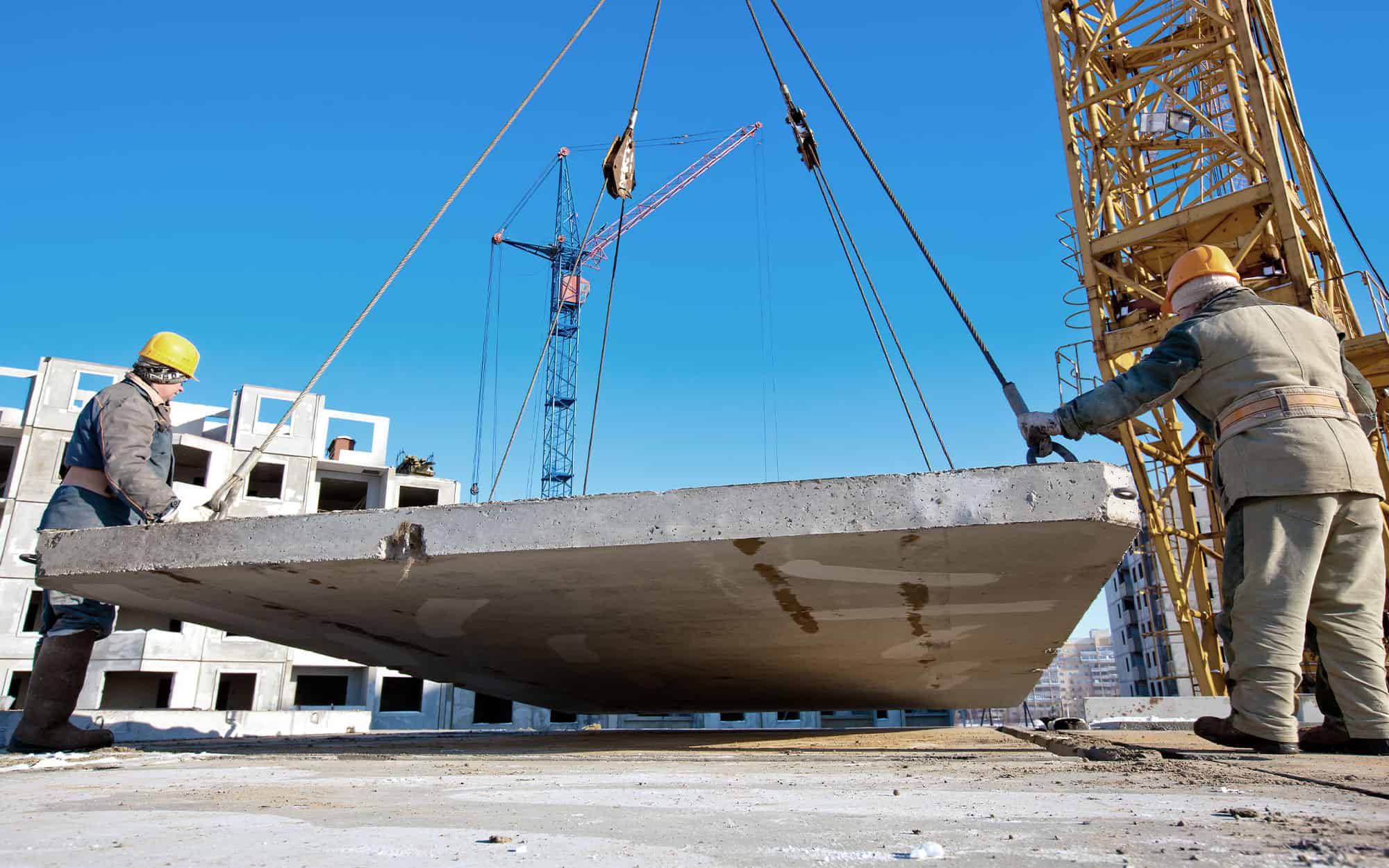
tilt-wall construction in Dallas is usually awarded long before a shovel hits the dirt, because owners need confidence that the contractor understands how the project will actually move in the field. In Dallas-Fort Worth, that expectation is even sharper. Developers, owner-users, and asset managers are trying to protect lease commitments, capital schedules, and operating deadlines at the same time. A general contractor that can explain the delivery path in plain language gives ownership a useful decision framework instead of a stack of disconnected assumptions. That is why serious project teams start by testing site readiness, entitlement timing, procurement exposure, and turnover goals before they finalize the construction sequence.
Tilt-wall development planning in Dallas is not just a matter of putting labor on site. It requires a contractor that can connect planning, cost validation, and field leadership into one accountable path. Many developers and industrial ownership groups teams are comparing multiple delivery options when they evaluate proposals, but the best comparison point is not simply low bid versus high bid. It is whether the contractor can show how the work will be staged, what long-lead items could affect the critical path, and which decisions need to be made early for the schedule to stay realistic. That is the difference between a polished proposal and a practical delivery strategy.
In the Dallas market, preconstruction is where the schedule either becomes reliable or starts drifting. The early plan has to reconcile panel sizes, crane access, casting slab logic, embeds, openings, and structural coordination before the job starts to accelerate in the field. Early coordination matters because distribution buildings, manufacturing facilities, and large commercial shell programs rarely move as a single isolated task. Sitework affects shell release, shell release affects interiors, interiors affect commissioning, and commissioning affects occupancy. If those relationships are not modeled early, owners do not find out about the conflict until the field team is already working around it. A qualified commercial general contractor helps the client see those dependencies before they become claims, overtime, or deferred scope.
Procurement has become one of the most underestimated parts of commercial and industrial construction planning. Rebar, embeds, structural steel, roofing coordination, doors, and specialty long-lead shell components all influence whether erection speed actually turns into shell readiness. Even when lead times improve, the wrong release strategy can still create avoidable gaps in the field. A disciplined contractor builds buying schedules around the packages that actually control production instead of treating procurement as a back-office task. Owners benefit when submittals, approvals, and release dates are tied directly to turnover goals, because every material decision is connected to a milestone that matters to the project instead of an arbitrary administrative sequence.
Field execution works best when the superintendent, project manager, and owner are all looking at the same near-term priorities. Tilt-wall programs succeed when casting, erection, roof interface work, and dry-in activities are managed as one sequence instead of separate milestones that drift apart in the field. That kind of communication sounds simple, but it is one of the strongest differentiators between an average contractor and a team that consistently delivers. In Dallas and the broader DFW market, active commercial corridors, occupied campuses, and utility-intensive industrial projects all punish slow decision cycles. When site leadership is waiting for late clarifications, every adjacent trade is forced into reactive planning, which is where schedules start slipping and quality starts getting compromised.
Owners also need reporting that is honest about the relationship between progress and exposure. A construction update should explain more than what happened last week. It should identify which inspections are still outstanding, which packages are holding the next phase, and whether any owner decisions are required to keep production moving. That is particularly important for distribution buildings, manufacturing facilities, and large commercial shell programs because the work often sits inside broader capital programs or revenue timelines. When the contractor frames updates around the next critical decisions, leadership can step in early instead of discovering the issue after it already affects the finish date.
Another reason tilt-wall construction in Dallas requires a disciplined general contractor is that the field team has to coordinate beyond its own fence line. Jurisdictional review, utility availability, neighbor impacts, tenant access, and supplier capacity all influence how the job should be sequenced. A contractor who has worked through those conditions in Dallas can shape the plan around real local constraints rather than generic assumptions. That local market fluency does not replace strong management, but it does reduce the amount of guesswork that owners are forced to carry when they approve a construction path.
Cost control is also more effective when it is tied to sequencing. Value engineering is often described as a late design exercise, but in practice it is most useful when it helps owners compare how scope decisions affect time, access, and procurement. A less expensive approach that extends turnover or requires major resequencing is not always the better option. Strong contractors walk owners through those tradeoffs in plain language so the budget reflects total delivery impact, not just isolated line-item savings. That is one of the reasons experienced owner teams look for preconstruction leadership as much as pricing accuracy.
Bid leveling is another place where owners benefit from experienced contractor leadership. A proposal can look complete on the surface while still hiding scope gaps that later become change orders, schedule friction, or trade disputes. That is why strong teams compare assumptions line by line, clarify exclusions early, and identify which subcontract packages need tighter definition before contracts are awarded. For developers and industrial ownership groups, that extra discipline is valuable because it prevents the field team from inheriting unresolved commercial questions after mobilization. In Dallas, where schedules are often compressed and expectations are high, a clean buyout strategy protects both production and owner confidence.
The approval path also deserves more attention than it usually receives. Drawings, finishes, equipment interfaces, and owner-furnished items all move through review cycles that can either support the schedule or quietly erode it. Tilt-wall development planning in Dallas is easier to manage when submittal deadlines, decision dates, and release milestones are treated as part of the project schedule instead of an administrative side process. Owners who understand that relationship can prioritize the decisions that truly affect field progress, rather than spending time on lower-impact questions while critical packages wait for direction.
Many distribution buildings, manufacturing facilities, and large commercial shell programs also have to be managed around occupied conditions, neighboring operations, or public-facing circulation. That reality changes the way logistics should be planned. Deliveries, laydown areas, shutdowns, and temporary access routes all have to be coordinated so the project can keep moving without creating avoidable disruption for the business or property around it. Contractors who address those constraints openly during preconstruction usually create more stable schedules in the field because the team is working from a plan built around real site conditions rather than a clean-sheet assumption that disappears once crews arrive.
Quality control is closely tied to sequencing as well. The strongest teams do not wait until the end of the job to discover that tolerances, embed placement, equipment clearances, or finish standards were misunderstood earlier in construction. They build quality checks into the phase plan so issues can be corrected while the work is still accessible. That approach matters for distribution buildings, manufacturing facilities, and large commercial shell programs because rework is rarely isolated to one trade. A missed detail in one phase can force redesign, disrupt adjacent packages, and create turnover delays that linger far beyond the original error. Integrated quality planning is one of the quiet drivers of reliable project delivery.
The owner reporting cadence should also reflect the way the project is financed and governed. Some teams need lender-ready updates, some need board-level progress summaries, and others need highly practical weekly decision logs that can be used by the operating team. A good general contractor can adjust the reporting format without losing substance. That means progress updates still explain procurement exposure, unresolved RFIs, permitting status, and near-term milestones even when they are being presented to different audiences. In Dallas, where projects are frequently tied to leasing deadlines, investor expectations, or operational launch targets, that clarity helps leadership intervene while options still exist.
Warranty transition and post-turnover support deserve the same planning discipline as preconstruction. If documentation, training, and closeout responsibilities are not assigned early, the owner may receive a technically complete building that is still difficult to operate. Good contractors treat closeout as a continuation of delivery rather than a last administrative task. They organize attic stock, manuals, punch closeout, startup records, and warranty contacts in a way that supports the people who will actually run the asset. For owners evaluating tilt-wall construction in Dallas, that final handoff process is often where long-term confidence in the contractor is either confirmed or lost.
For developers and industrial ownership groups, turnover is where the project either confirms the quality of the delivery process or exposes every shortcut that accumulated during construction. The owner wants a shell that is weather-tight, punch-aware, and genuinely prepared for interior follow-on work rather than merely standing panels and a nominal completion date. Closeout should be planned before the final push begins, not after the team is already trying to hand over systems, finish punch items, and finalize documentation at the same time. Contractors that treat turnover as its own phase rather than a last-minute checklist usually deliver better owner experiences because the building is being prepared for operational use while the field team still has full control of the site.
It is also worth noting that many owners are not buying a single construction event. They are buying a relationship that may extend across multiple facilities, phased expansions, or future location rollouts. The first project becomes a test of how well the contractor communicates, manages change, and protects the owner's operational priorities. When the team performs well, repeat work becomes much easier to award because the owner already trusts the reporting cadence, the superintendent leadership, and the way preconstruction questions are handled. That repeat-work value is one of the most important business outcomes of a well-run commercial construction project.
The reason this topic continues to matter across Dallas-Fort Worth is simple: speed alone is not the goal. Owners need speed that still protects budget visibility, scope clarity, and turnover readiness. A contractor can push activity early and still leave the owner with unresolved coordination issues, weak closeout documentation, or a site that is not prepared for the next phase. The better approach is to build momentum through planning, procurement discipline, and field accountability so the project moves quickly for the right reasons rather than simply moving fast on paper.
For owners evaluating tilt-wall construction in Dallas, the best next step is to pressure-test the contractor's planning logic. Ask how the team will handle early approvals, what packages need to be bought first, how updates will be reported, and what must happen before turnover can begin. Contractors with a real command of commercial and industrial delivery will answer those questions with sequence, risk, and accountability in mind. That is the kind of planning that helps Dallas-Fort Worth projects move from preconstruction into field execution without losing clarity, schedule control, or confidence from ownership.